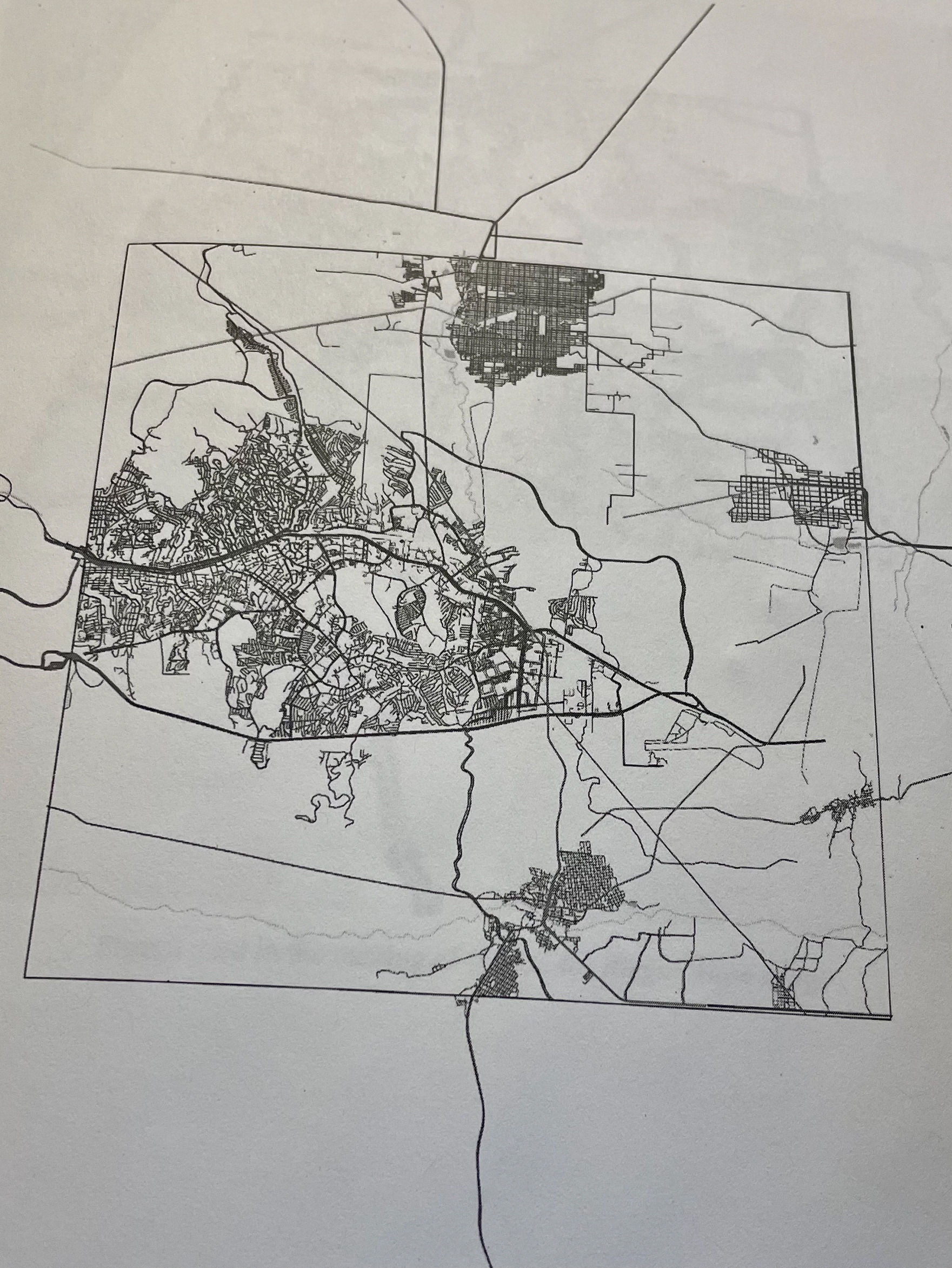
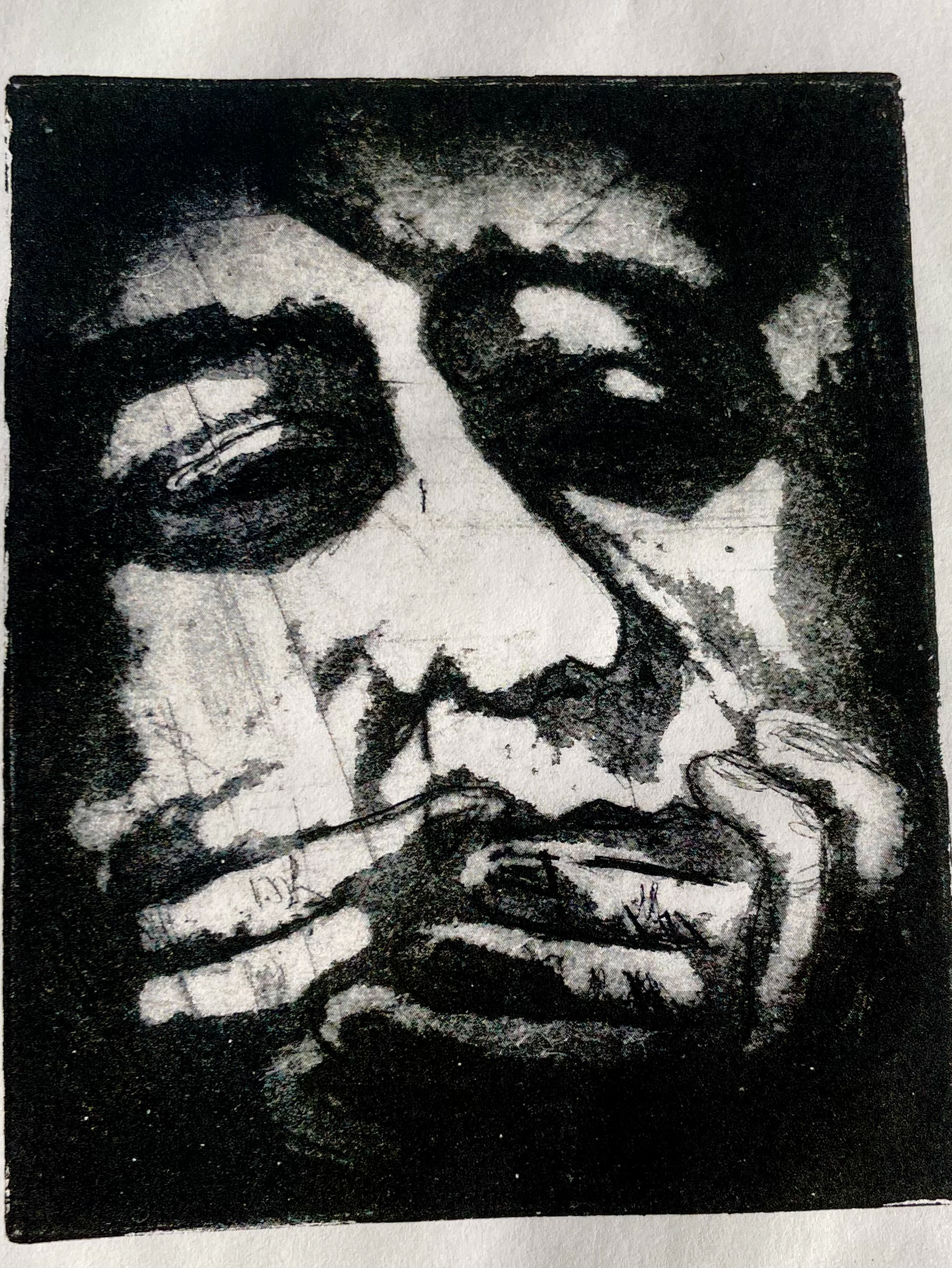
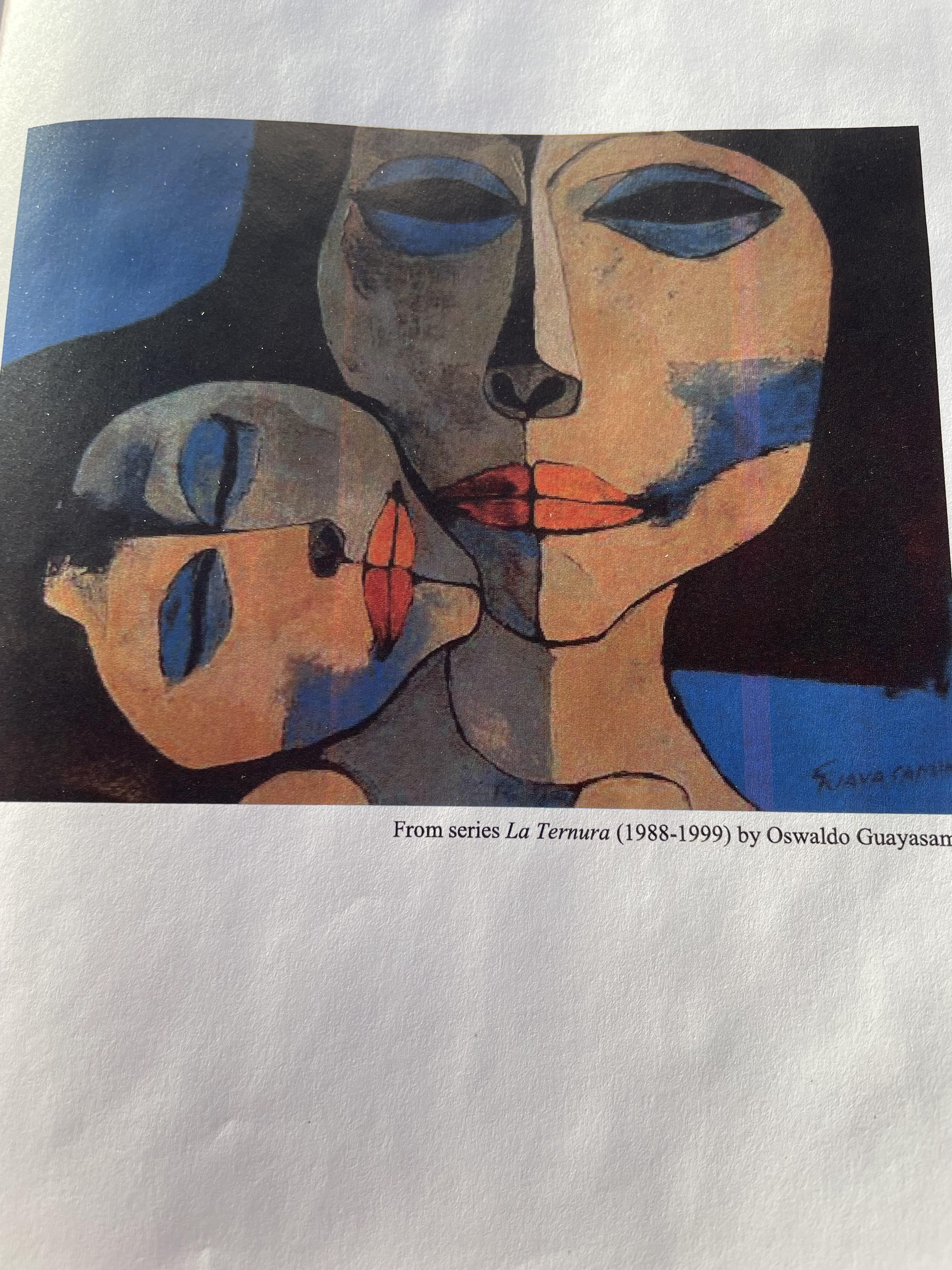
"The main purpose of this project was to learn from fishermen and fishery resource users in Sisal, Mexico. During my research, I considered the following questions: can fisherman and other resource users be conscious stewards of a fishery? Can local knowledge within a fishery help inform management? Between January and February, 2017 I spent seven weeks in Sisal, a small fishing town in the Gulf of Mexico, where residents have relied for generations on access to the fishery for both food and income. Upon my return to Maine from Sisal, I wrote an oral history of the fishery that is informed by interviews, field notes, and observations from my time on land, and on the water during fishing trips. I recount stories of fish species, boats and gear, transportation and preservation, fishing methods, fishing trips, climate and weather, health and diet, regulation, illegal fishing, and the past and present status of Sisal’s fishery. I draw on literature about fish and fisheries across disciplines and interdisciplinary fields, including marine biology, marine environmental history, anthropology and feminist theory. Also included in this work are paintings and prints, which evoke both fish and fish-human convergence, inspired by what I learned in Sisal.
In Sisal, conflict spurred by government mandated fishery regulation has exacerbated the issue it seeks to solve, that of fisheries over-exploitation. Fishery resource users possess knowledge that spans vast spatial and temporal scales and is crucial to the health and productivity of the oceans. People have engineered the oceans-selectively targeting certain species and altering environments- but fish have also shaped how people live and think, influenced their diets and politics, and enabled human survival when the land does not necessarily provide. This paper explores, through an ethnographic lens, the elements which comprise and define a fishery and how a “human-fish entanglement” (Probyn 2016: 5) has made Sisal the place it is today. Each chapter is based on a recipe with fish for human consumption, or for other use. In Sisal, people love to talk about food, almost as much as they love to eat it, and fish-based food is integral to the culture and history of Sisal. Ultimately, I argue that fishery resource users and regulators possess different bodies of knowledge that can complement each other to create successful fisheries management. "
Senior project director: Netta van Vliet
After graduation
"I have done various things since graduating, two of those included working in the seafood industry-fishing on a commercial salmon boat in Alaska and working at an oyster farm in Maine (Bar Harbor Oyster Co, owned by a COA alum!). These were jobs that I was interested in doing after studying marine science and fisheries at COA. After moving to New Mexico, I continued my studies in aquaponics and hydroponics (something I became interested in while doing research for my senior project in Mexico and in general while studying at COA).
I am currently pursuing a Master's of Public Policy at University of Alaska. I am also a research assistant working on a project where I interview fishermen about climate change and adaptation here in Alaska. This is something that my senior project really prepared me for.
In terms of useful information for other COA students, I would say take advantage of funding opportunities that are available for senior projects ( I think I used the expeditionary fund?). This helped me travel to Mexico to conduct my research, otherwise I would not have had that opportunity."
-Emma Maria Kimball-